




Understanding Domestic Freight: A Comprehensive Beginner’s Guide
Understanding Domestic Freight: 7 Essentials for Australian Beginners
Domestic freight is the quiet engine of Australian commerce, connecting capital cities, mining towns and regional centres. For new shippers, working out modes, costs and compliance can be daunting, especially when margins are tight and customers expect fast, reliable delivery. This guide covers seven essentials to help you manage domestic freight confidently, reduce risk and know when to bring in expert support to protect your bottom line.
1. What Domestic Freight Actually Covers
Domestic freight refers to moving goods within Australia by road, rail, air or sea, without crossing international borders. It still sits under strict rules for dangerous goods, chain of responsibility and load restraint. Whether you run an eCommerce brand or manufacture equipment, understanding these basics is vital before booking interstate freight transport or planning regional freight delivery, so you can choose the right service and avoid costly mistakes.
2. Choosing the Right Mode for Your Freight
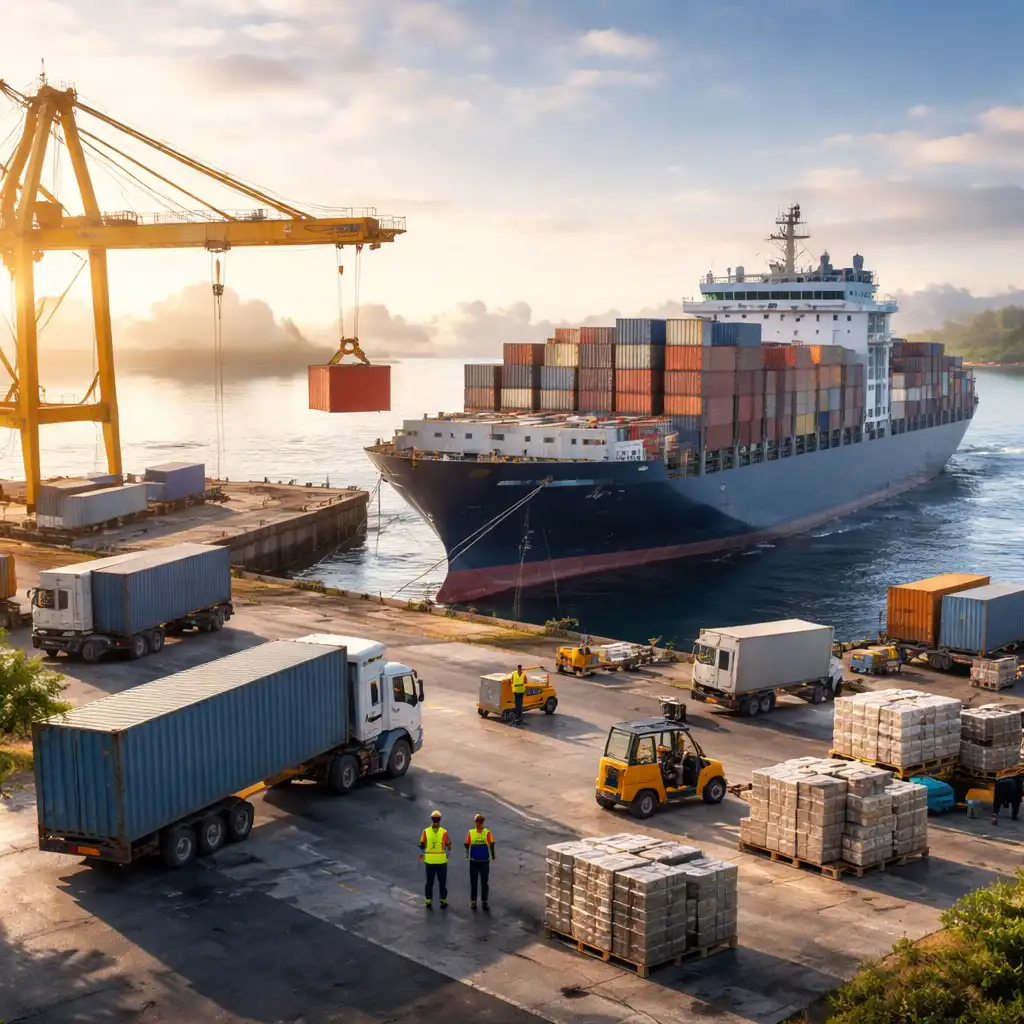
Road is the workhorse, handling most non-bulk freight thanks to its reach and flexibility for same-state delivery services and metro runs. Rail suits bulk commodities or high-volume lanes where transit time is less critical. Air is reserved for urgent or high-value cargo where speed justifies the premium. Sea and coastal freight solutions are ideal for heavy, oversized or port-to-port freight, and can be combined with road in multimodal interstate logistics to balance cost and transit time.
3. How Pricing and Chargeable Weight Really Work
Freight quotes are usually built from weight, cubic volume, distance, service level and any special handling or access issues. Carriers often calculate chargeable weight based on whichever is greater: actual kilograms or volumetric weight, which is why smart packaging can materially cut costs. Expect surcharges for remote areas, tailgate unloads or restrictive sites. Clear consignment details and photos of freight help avoid re-weigh fees and disputes with interstate shipping services over unexpected extras.
4. Documentation, Labelling and Compliance
Paperwork remains the backbone of reliable transport, even in a digital world. Accurate consignment notes, manifests and dangerous goods declarations guide drivers and allocate liability when something goes wrong. Labels must clearly show sender, receiver, contact numbers and any special handling instructions. Poor documentation is a common trigger for delays, misrouted freight and rejected insurance claims, particularly when consignors handle domestic interstate cargo across multiple depots and partner carriers.
5. Managing Risk, Damage and Transit Delays
Transit damage and late deliveries do more than frustrate customers; they quietly erode profit and brand trust. Fit-for-purpose pallets, stretch wrap, corner boards and load restraint are essential, not optional extras. Many businesses also take out transit insurance rather than relying solely on carrier liability. Resources from the National Heavy Vehicle Regulator at https://www.nhvr.gov.au provide practical guidance on safe loading, which directly influences damage rates and on-time performance across coastal and inland shipping routes.
6. Tracking, Visibility and Customer Expectations
Australian customers increasingly expect Amazon-style visibility, even for B2B orders. Modern carriers offer tracking portals, status updates and proof-of-delivery images, which help you manage inventory and respond to “where is my order” queries before they escalate. Integrating carrier data into your systems can also support nationwide local distribution strategies, highlighting bottlenecks and allowing you to shift volumes between local delivery options and longer-haul networks as demand changes.
7. When to Engage a Freight Specialist
As volumes grow, juggling rate cards, service failures and claims quickly becomes a full-time job. Frequent damages, confusing invoices, or missed delivery windows are clear signs you may need expert help. A specialist such as Domestic & Coastal can consolidate carriers, design integrated coastal freight and road solutions, and benchmark performance so you see where efficiencies exist. They can also tailor domestic freight strategies around your specific lanes and service promises, rather than forcing you into a generic network.
- Clarify your freight profile: shipment sizes, lanes, deadlines and pain points.
- Review packaging and load plans to minimise damage and rework.
- Compare current carrier performance and costs across key routes.
- Identify where specialist support could simplify multimodal interstate logistics.
- Book a consultation to explore tailored coastal freight solutions and network design.
If you are ready to tighten costs, improve reliability and scale your freight operations, now is the time to reassess your transport strategy. Start by mapping your current network, then speak with a domestic freight specialist who can benchmark your performance, uncover quick wins and design a more resilient transport plan. A single structured review can unlock faster deliveries, fewer claims and a clearer pathway to long-term growth.

Related posts

Amazon Australia’s Robot Operated Warehouse

Incoterms and Wombats: International Shipping
On route to work this morning I’m sitting on the train intrigued by the conver
Biofuel Supply Framework in Development
Currently, Singapore-based Global Centre for Maritime Decarbonisation (GCMD) are
