




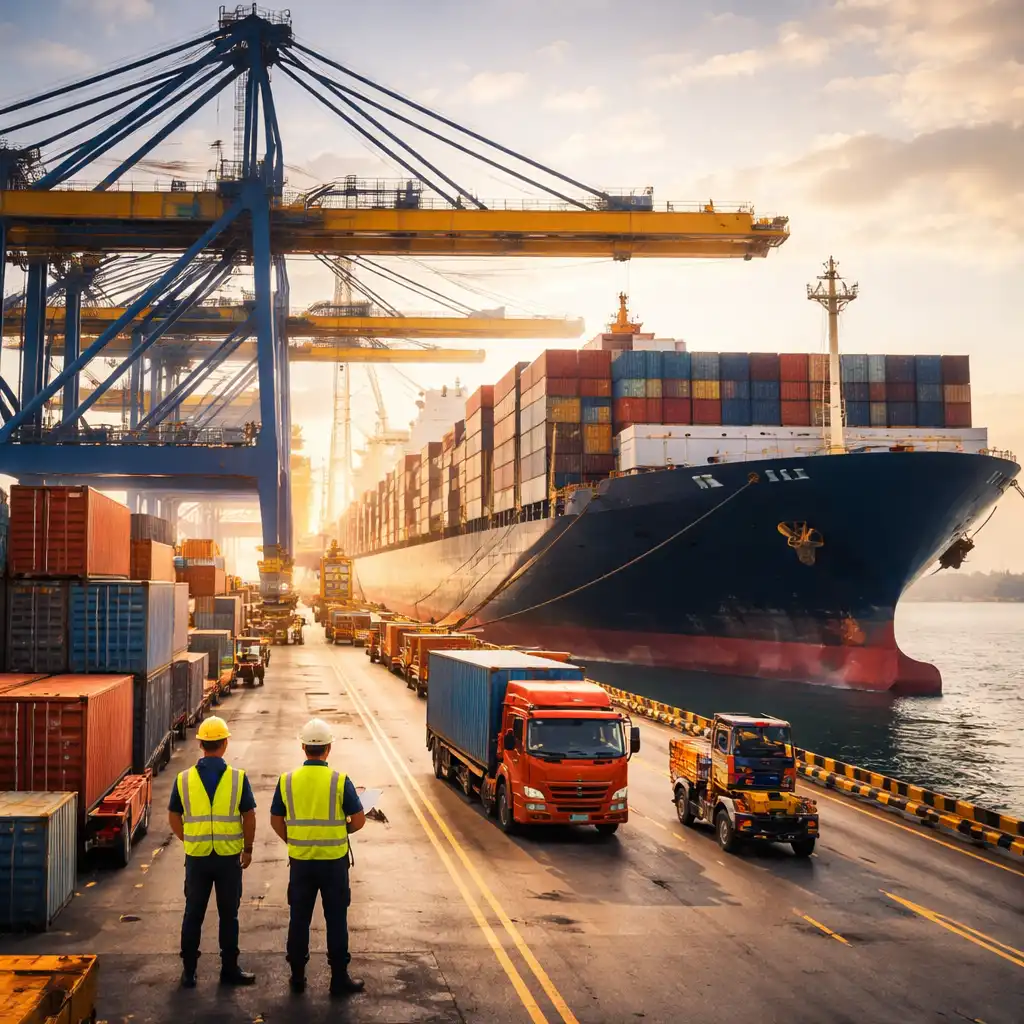
Understanding Sea Freight Shipping in 2026: The Ultimate Guide
5 Ways Australian Importers Can Master Sea Freight Shipping in 2026
Sea freight shipping in 2026 is more complex than ever for Australian importers and exporters. Between volatile rates, new emissions rules and fragile schedules, the wrong decision can quickly erode margins and damage customer confidence. Understanding your international shipping options and planning proactively is now essential to staying competitive.
1. Get Control of Total Landed Costs
Headline rates on popular Asia–Australia lanes may look attractive, but fuel surcharges, security fees and regulatory levies can add 15–20% to the final bill. Many local businesses still budget on base rates alone and face nasty surprises when invoices arrive. Working with a specialist who can model all-in pricing, including port charges, detention, demurrage and insurance, helps you compare business sea freight options accurately and protect your margins.
2. Plan for Unreliable Transit Times
Schedule reliability remains patchy, with blank sailings, diversions and weather events disrupting Australian port calls. Fewer than half of vessels arrive on time, forcing importers to hold more stock or risk stockouts. Building realistic lead times into your sales and inventory planning, and using freight forwarding solutions that provide real-time vessel visibility, can reduce the impact. Contingency routings and flexible ocean cargo services are now a must-have, not a luxury.
3. Treat Sustainability as a Compliance Issue, Not a Trend
New rules such as the IMO’s Carbon Intensity Indicator and Europe’s emissions trading scheme are reshaping global ocean freight choices. Carriers are slow steaming, upgrading vessels and trialling alternative fuels, with flow-on effects for both cost and transit time. Australian shippers increasingly need shipment-level emissions data for ESG reporting and tenders. Choosing partners that can support international ocean cargo solutions and provide auditable carbon reporting will help you stay ahead of regulators and customers.
4. Secure Space Early and Diversify Capacity
Equipment imbalances and sudden rate spikes continue to hit key export and import corridors. Businesses that book late or rely on a single carrier are most exposed when capacity tightens. A more resilient approach is to lock in a smart contract mix across several lines, blending spot and fixed rates for cost-effective sea freight services through the year. Strong relationships at origin, combined with sea freight forwarding services in Australia, give you more options when schedules change.
5. Use Expert Support to De‑Risk Your Supply Chain
Misjudged Incoterms, overlooked surcharges or incomplete paperwork can turn a routine shipment into a costly delay. Experienced forwarders provide end-to-end ocean logistics, covering route design, documentation, customs coordination and ocean shipment management so your team can focus on sales and operations. For a clear overview of current regulatory settings and compliance expectations, the Australian Border Force guidance is a useful reference at https://www.abf.gov.au/importing-exporting-and-manufacturing/import.
- Model total landed costs before booking to avoid invoice shock.
- Build realistic lead times and maintain contingency routings.
- Request emissions reporting alongside your ocean cargo services.
- Use a mix of contracts and carriers to stabilise your budget.
- Engage managed international freight support to de-risk growth.
If you’re reassessing your sea freight shipping strategy for 2026, now is the time to speak with a specialist. A knowledgeable Australian team can review your routes, costs and contracts, then design tailored freight forwarding solutions that tighten control, improve resilience and support growth. Enquire today to request a detailed quote and explore how professional sea freight forwarding services can strengthen your supply chain for the year ahead.

Related posts

Unaccompanied Baggage Shipping and The Football World Cup
The World Cup has been played on the continents of Europe, South America, North
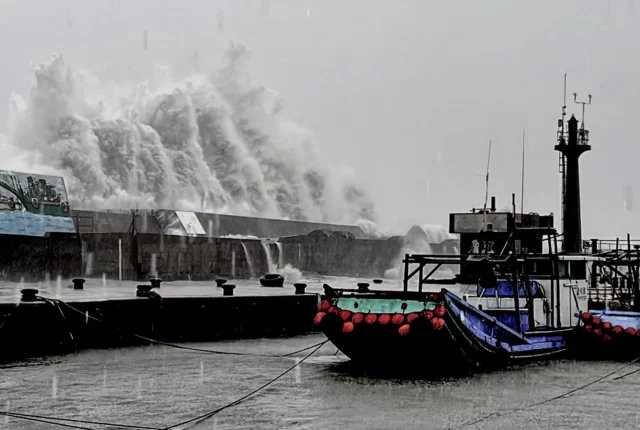
Typhoon Kong-ray creates congestion at Shanghai ports
Asian container ports Shanghai, Ningbo and Kaohisung are working through congest
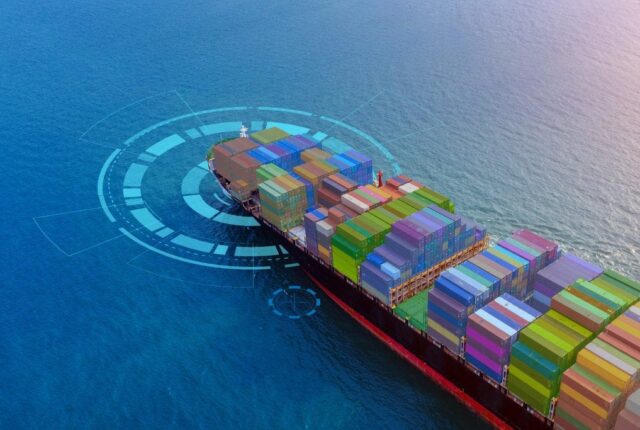
AI-Controlled Smart Ships Gain Momentum in 2026: Are Autonomous Fleets the New Standard?
Sea freight in 2026 is entering a decisive transformation phase. After years of
