




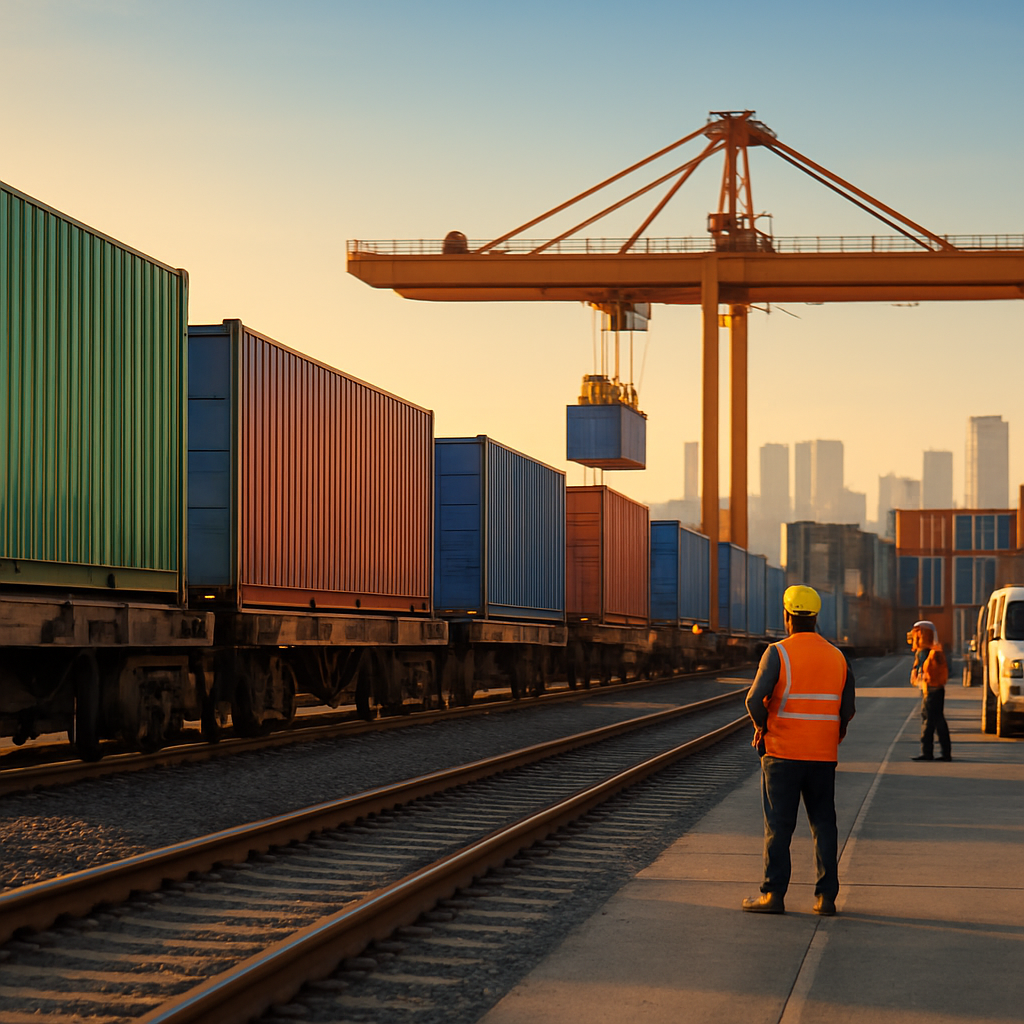
FCL Rail Freight: Maximizing Efficiency for Full Container Loads
Australian shippers often view FCL Rail Freight as the logical, efficient choice for long-distance container moves, yet many operations fail to deliver the promised savings. Despite vast rail corridors, rail still handles a minority of non-bulk freight, indicating systemic inefficiencies. For importers, exporters and national distributors, the question is not simply “rail or road”, but whether their current use of rail is quietly inflating costs and undermining performance across the network.
- Frequent last-minute mode switches from rail to road to meet cut-off times
- Regular detention and demurrage eroding the apparent price advantage
- Underutilised containers moving with spare weight or cubic capacity
- Inconsistent transit times that make planning inventory and labour difficult
- Limited visibility across freight transportation solutions spanning ports, rail and road
Understanding Hidden Inefficiencies in FCL Rail Freight
Many of the problems in FCL Rail Freight stem from how services are booked, sequenced and handed over between operators rather than from the trains themselves. Poor alignment between port windows, terminal operating hours and rail timetables can add days to end-to-end transit without appearing on a rate card. When the planning focus is lane-by-lane instead of whole-of-network, inefficiencies are simply absorbed as “the way things are”.
Why FCL Rail Freight Efficiency Matters for Australian Supply Chains
On key corridors, rail can burn significantly less fuel per container than road, a core advantage in a tightening emissions environment. Yet fragmented logistics and supply chain decisions can dilute those benefits, especially when volumes are split across multiple carriers or terminals. Costs escalate further when unreliable ETAs force businesses to hold extra stock, build in larger safety buffers, or rely on premium trucking as a fallback option.
Common Warning Signs Your Full Container Loads Are Underperforming
Recurring operational headaches often signal deeper structural issues in containerised freight logistics. Examples include containers sitting idle in depots waiting for the “right” service, or trains departing without full utilisation because bookings are scattered and uncoordinated. Businesses may also notice that intermodal shipping services look competitive on paper, but final invoices reveal mounting access fees, storage charges and unplanned shuttles.
Structural Causes Across Australia’s Rail-Based Networks
Australia’s long distances, jurisdictional differences and legacy infrastructure create a complex backdrop for any rail based supply chain. Misaligned schedules between regional terminals and capital city ports can hinder integrated freight transport, particularly when there is little sharing of data between operators. Without deliberate end to end logistics planning, companies can become locked into multimodal shipping options that are neither cost-effective nor resilient to disruption.
For many organisations, the real risk lies in assuming that shifting containers to Rail Freight automatically delivers best-in-market outcomes. In reality, unlocking cost efficient rail logistics usually requires rethinking routings, consolidating volumes and clarifying who owns each handover along the chain. Industry guidance from Infrastructure Australia and other bodies offers evidence-based perspectives on sustainable freight transport strategies and future network constraints.

Related posts
Understanding Rail Freight Basics: A Guide for New Businesses
Discover the essentials of rail freight for Australian startups and SMEs. Learn
Air Freight vs Rail Freight: A Comparative Analysis for Shippers
Compare air freight vs rail freight in Australia, including speed, cost, reliabi
Sustainable Rail Solutions: Reducing Carbon Footprint in Freight Transportation
In an era marked by environmental concerns, finding sustainable solutions for fr
