




Understanding Air Freight: A Comprehensive Guide for Businesses
Understanding Air Freight: A Comprehensive Guide for Businesses
For Australian importers and exporters, understanding air freight is essential to making informed decisions about cost, speed, and risk. As a premium transport mode, it moves high-value and time-sensitive cargo between major hubs within days rather than weeks. This overview explains how the process works, when air freight is the right choice, and what factors to consider before booking your next shipment.
What is air freight?
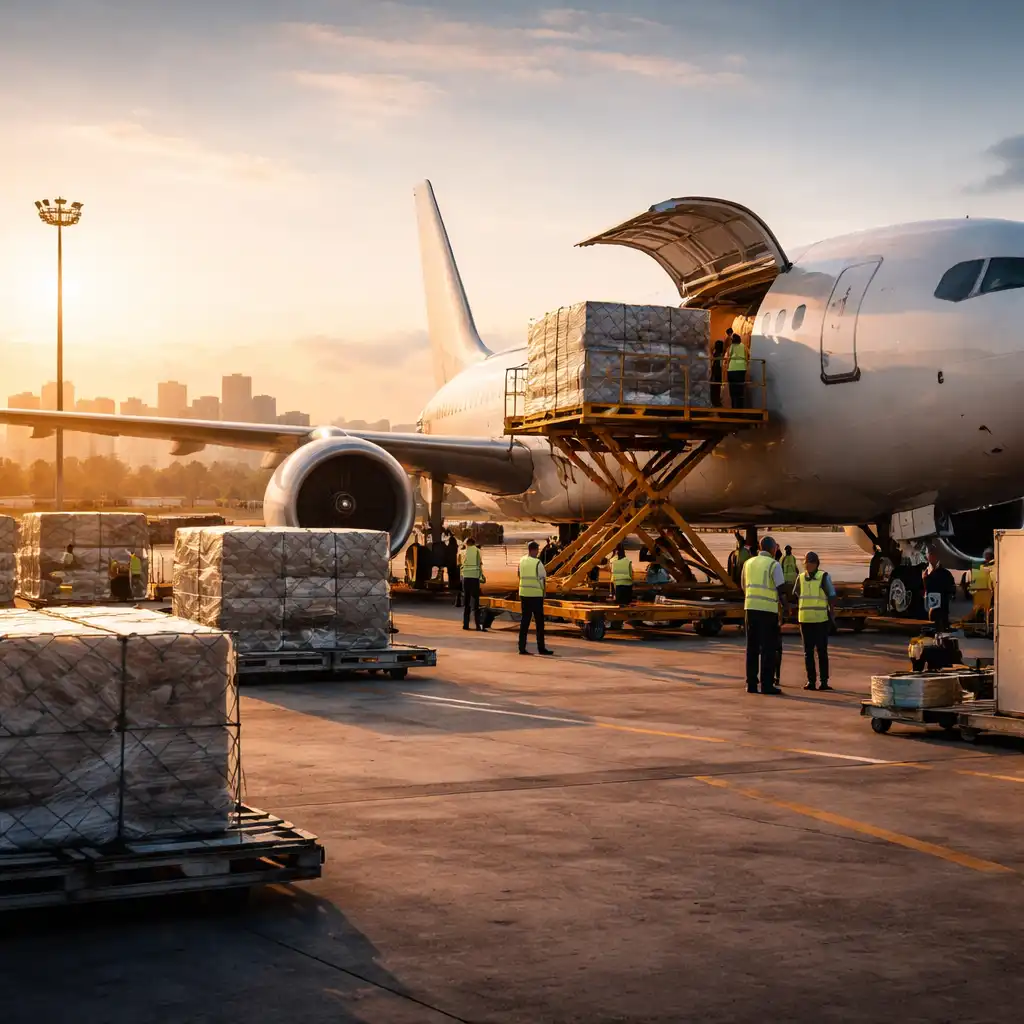
Air freight refers to the movement of goods by aircraft, either on dedicated freighters or in the belly hold of passenger flights. It is widely used for urgent spare parts, pharmaceuticals, electronics, fashion items, and other products where delivery speed protects revenue or customer commitments. Unlike sea freight, Air cargo focuses on fast, reliable schedules, making it central to just-in-time and e-commerce supply chains.
How the air freight process works
Most businesses engage a freight forwarder to coordinate bookings, arrange pick-up, and manage airport lodgement. The process begins with a detailed quote covering weight, dimensions, origin, destination, and required transit time. From there, air freight solutions typically include collection from your premises, export clearance, airline handling, linehaul flight, import processing, and local delivery.
Planning, documentation, and compliance
Successful International air freight shipments depend on accurate paperwork and compliance with Australian and overseas rules. Key documents include the Air Waybill, commercial invoice, and packing list, along with any required permits or certificates of origin. Businesses must also meet aviation security, biosecurity, and dangerous goods regulations. Careful air freight capacity planning ensures you secure space during peak seasons and avoid last-minute premium surcharges.
Costs, options, and service levels
Air freight charges are based on chargeable weight, comparing actual and volumetric weight to reflect the space your goods occupy on the aircraft. Services range from express international air cargo for urgent consignments through to economy options that connect via intermediate hubs. For sensitive products, temperature-controlled air freight and strong air cargo tracking solutions can help manage risk. Many providers now offer door-to-door air cargo to simplify handling and visibility for busy logistics teams.
Before choosing a provider, consider whether you need time-critical air freight for urgent spare parts or routine services for regular replenishment orders. Comparing transit times, routings, and air freight route optimization options can highlight where global air cargo services add value over slower modes. For independent guidance on international aviation and trade, the International Air Transport Association provides practical resources at https://www.iata.org. To deepen your understanding of current freight options and constraints, it is wise to speak with a specialist who can assess your lanes and recommend a balanced mix of modes.
If you are exploring air freight for the first time or reassessing existing routes, start by mapping your products, lead times, and customer expectations. From there, you can decide where fast transport truly protects revenue, and where slower modes may be sufficient. To make a well-informed decision, request lane-by-lane advice, ask detailed questions about risk, and seek tailored guidance on optimising your next shipment.

Related posts
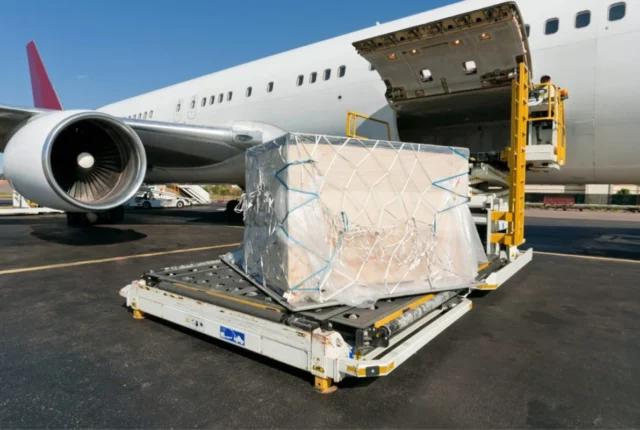
Freight Forwarders vs. Airlines: Choosing the Right Partner for Air Cargo
In the world of air cargo logistics, one of the most critical decisions you̵

Air Cargo Charter Rates Hit Covid-Era Highs Amid War
Air charter rates have surged to “Covid-era” levels as the Iran conflict tri
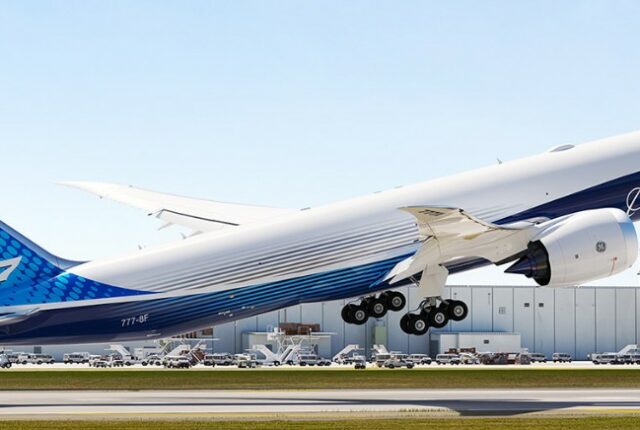
Boeing Fails to Deliver 777 Freighters to 12 Waiting Airlines
Boeing admitted yesterday that it had failed to deliver a single 777 freighter i
