




The Rise of Interstate Rail Freight: What You Need to Know
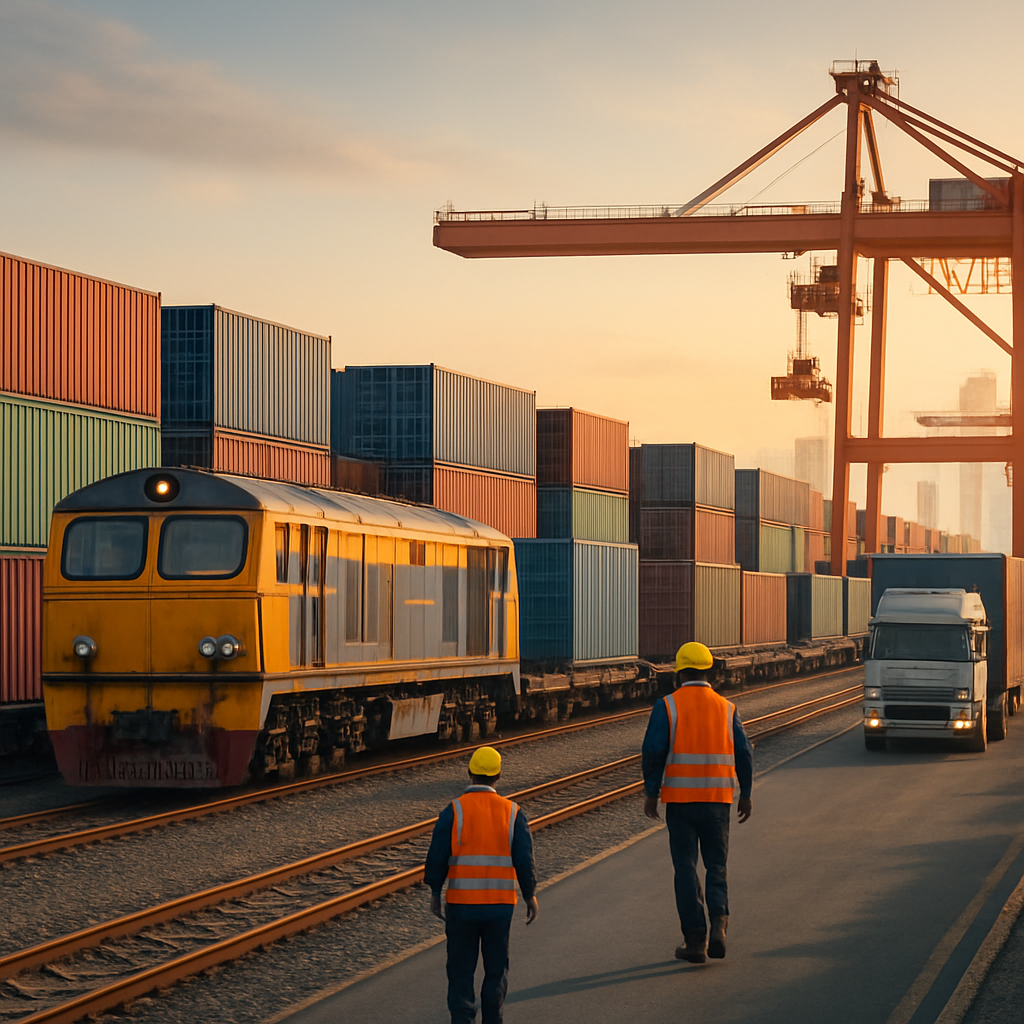
The rise of interstate rail freight in Australia is quietly reshaping how goods move across the country, yet many businesses still treat it as a niche option rather than a structural shift. As governments invest heavily in projects like Inland Rail, the competitive balance between trucks and trains is changing. For operators reliant on long-haul road transport, the real risk is not understanding how this transition affects cost, reliability and compliance obligations until problems appear in day-to-day operations.
- Freight budgets creeping upwards despite stable or predictable volumes.
- Inconsistent delivery times on key interstate corridors becoming the norm.
- Limited visibility on emissions from existing freight transportation solutions.
- Warehouses and yards designed only around trucks, not trains or terminals.
- Contracts that lock in road capacity while rail options expand unnoticed.
The rise of interstate rail freight: a structural shift
Interstate rail freight in Australia is being driven by more than new tracks and terminals. Higher fuel costs, driver shortages and tighter fatigue rules are putting pressure on long-distance trucking. At the same time, national emissions goals are pushing companies to examine sustainable freight transportation options across every lane. Together, these forces mean the old assumption that “road is default” on interstate corridors is becoming less reliable, particularly for high-volume or time-tolerant freight.
Why road-only strategies are becoming riskier
Businesses heavily dependent on road face growing exposure to delays, maintenance shutdowns and volatile diesel prices. Congestion on key highways can turn previously dependable runs into unpredictable journeys, complicating logistics and supply chain planning. Safety and compliance requirements also add hidden cost and administrative load. When finance teams see margins squeezed and service teams deal with frequent rescheduling, it often reflects a deeper misalignment between freight tasks and available rail freight transportation solutions.
Operational warning signs inside your network
The earliest indications rarely appear in high-level strategy documents; they show up in planning meetings and yard schedules. Planners may struggle to maintain timetable reliability on interstate legs, even when demand is steady. Demurrage and detention fees creep up as trucks queue at congested terminals or ports, undermining port-to-warehouse shipping services. Sustainability teams, meanwhile, can find it difficult to demonstrate progress when heavy reliance on road limits meaningful emissions reductions.
Missed opportunities in a changing freight landscape
By postponing a review of mode mix, businesses risk locking themselves into patterns that will be hard to unwind as interstate logistics and supply chain pressures mount. Capacity on prime rail corridors can tighten quickly once large shippers move, leaving late adopters facing higher access charges or less desirable slots. Companies that have not explored intermodal rail freight solutions may find their network design, contracts and systems poorly matched to emerging rail-based intermodal shipping services and Inland Rail timetables.
Many organisations underestimate how quickly australian logistics and supply chain settings are evolving, especially around emissions reporting and resilience expectations. A structured assessment of Rail Freight in Australia can highlight where rail already offers a competitive fit on distance, volume and service frequency. For broader context on national freight trends and policy, operators can consult the Bureau of Infrastructure and Transport Research Economics at https://www.bitre.gov.au. Taking stock now allows businesses to plan end-to-end freight transportation strategies before costs and constraints harden.

Related posts
Rail Freight Safety: Mitigating Risks in Railroad Transportation
In the world of transportation and logistics, rail freight plays a pivotal role.
Understanding Rail Freight Basics: A Guide for New Businesses
Discover the essentials of rail freight for Australian startups and SMEs. Learn
Impact of E-Commerce Growth on Logistics Companies
The impact of e-commerce growth on Logistics companies in recent years has been
