




Full Truckload Shipping: Benefits and Best Practices Explained
Choosing the right partner for Full Truckload (FTL) shipping in Australia can feel risky, especially when you’re responsible for high-value freight and tight deadlines. When you understand how a provider manages scheduling, safety, and communication, it becomes far easier to trust them with your cargo and your reputation.
Reliable FTL shipping is built on clear processes, transparent communication, and consistent delivery performance—not on big promises.
Benefits of Full Truckload (FTL) Shipping
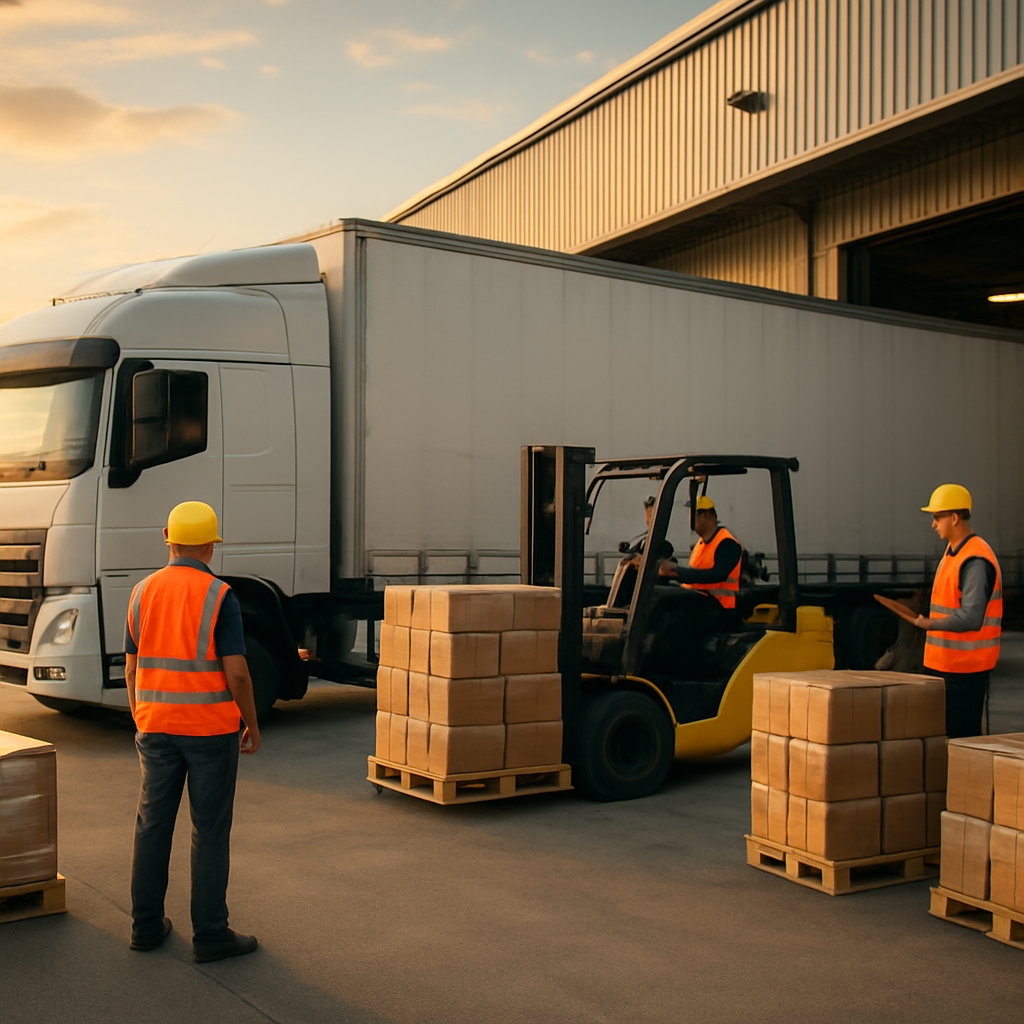
With Full Truckload (FTL) shipping, your freight occupies the entire vehicle, meaning there’s no freight from other businesses being loaded, unloaded, or shifted around it. This significantly reduces handling, which in turn lowers the likelihood of damage and shortens transit times across Australia. Because you’re paying for the whole vehicle, FTL can be more cost-effective than other freight transportation services when you have larger, consolidated loads. Many Australian businesses prefer FTL for predictable delivery windows, simpler paperwork, and greater control over their transport strategy.
How Trusted Providers Manage FTL Processes
A credible FTL partner will walk you through their process from booking to delivery so you know exactly what to expect. That includes accurate quoting based on verified weights and dimensions, careful load planning, and clear instructions for customised logistics transportation when goods are fragile, temperature-sensitive, or high value. Reliable operators use GPS tracking, planned check-in points, and professional drivers trained in Australian road safety standards, ensuring your shipment moves efficiently through their truckload logistics solutions. By sharing their procedures upfront, they reduce uncertainty and help you plan production, warehousing, and customer deliveries with confidence.
Best Practices for FTL Shipping in Australia
To get the best results from FTL shipping in Australia, start with precise consignment details and clear packing instructions. When you discuss your cargo delivery options, talk openly about timeframes, loading facilities, pallet configuration, and any constraints at pickup or delivery sites. Look for partners who offer integrated logistics and shipping solutions, including transparent incident reporting and proactive communication if anything changes on the road. Providers that understand domestic road cargo options, longer-haul routes, and seasonal conditions are better equipped to recommend the right full truckload shipping options for your business.
Trust also grows when your provider can support different business freight shipping solutions as you expand. If you need Road Freight across capital cities today and more complex road freight transportation or cross-border truck freight services tomorrow, their ability to scale matters. Ask about their experience with road cargo delivery services for specialised industries, as well as their insurance coverage and claims process. Reviewing industry resources such as the National Heavy Vehicle Regulator at https://www.nhvr.gov.au can also reassure you that your provider operates within strict compliance frameworks.
If you’re ready to make FTL a dependable part of your supply chain, choose a team that’s open about pricing, timelines, and risk management. A transparent provider will happily explain how they secure loads, monitor vehicles, and keep you informed at every step. Speak with our specialists today to review your current FTL setup, compare tailored full truckload shipping options, and design a road cargo strategy that supports your growth with confidence.

Related posts
Highway to Growth: The Economic Impact of Road Freight
Road freight plays a crucial role in the economic development of countries aroun
The Evolving Landscape of Road and Rail Freight: Trends and Challenges in 2024
The road and rail freight industry has always been the backbone of global trade,
Safety First: Ensuring Road Freight Security on the Highways
In the bustling world of logistics and road transportation, safety should always
