




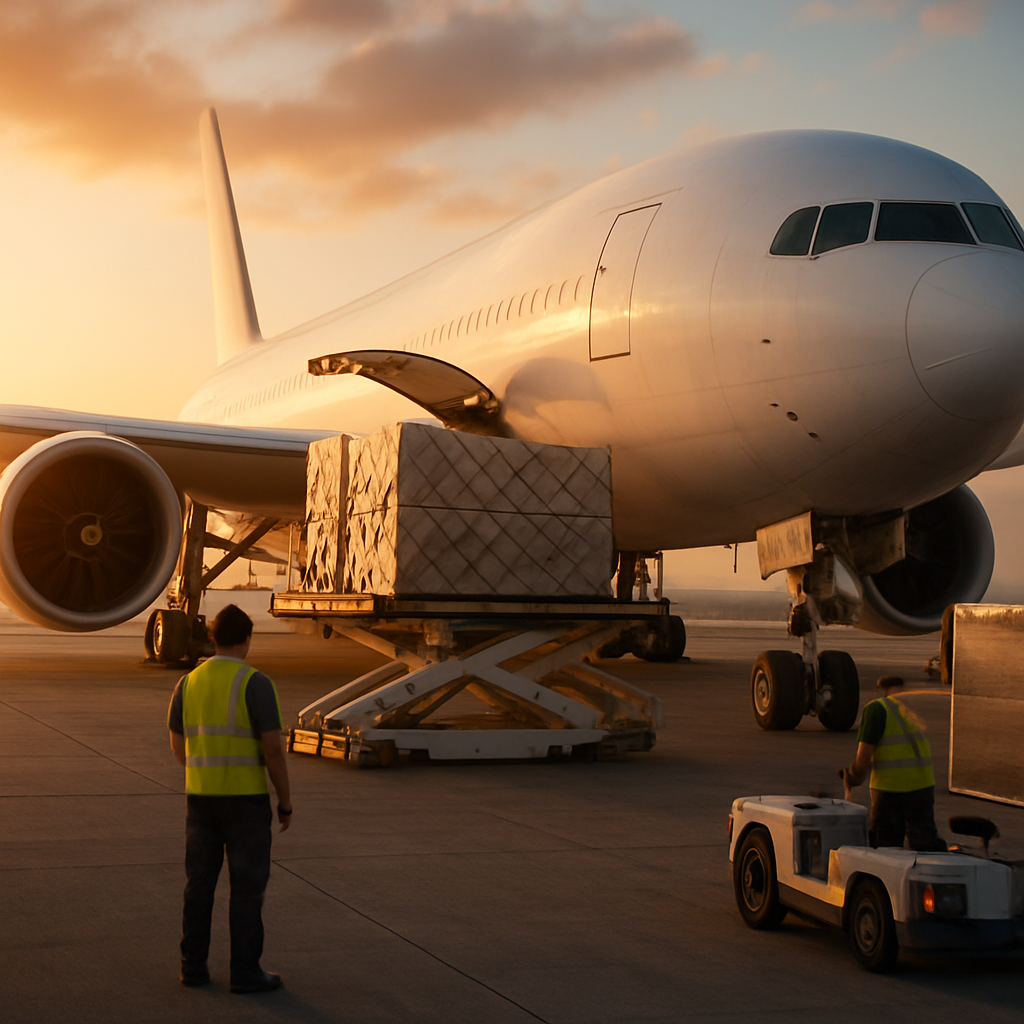
Essential Customs Clearance Steps for Air Freight Shipments
Australian importers leaning on fast Air freight to meet tight deadlines often overlook a slow, less visible threat: customs clearance risk. Many assume airlines, couriers or overseas suppliers will manage the paperwork, only discovering gaps when freight is already on the ground and incurring storage fees. As volumes of Air cargo through major airports grow, regulators are paying closer attention to data quality, valuation and biosecurity, increasing the chance that weak processes will be exposed.
- Unexpected storage and demurrage charges at Australian airports
- Last‑minute scrambles to find missing invoices or packing lists
- Frequent customs holds that undermine time-critical air cargo shipping
- Confusion over who is responsible for declarations in the Integrated Cargo System
- Supplier documents that don’t reflect Australian tariff and biosecurity rules
Understanding the risks in customs clearance for Air freight shipments
Every shipment entering Australia moves through a strict framework overseen by the Australian Border Force and the Department of Agriculture, Fisheries and Forestry. When documentation is rushed or incomplete, consignments can be diverted for inspection, delaying delivery and eroding the very speed advantage importers expect from Air freight. This is particularly damaging for express international air freight, where a one‑day delay can wipe out carefully planned just‑in‑time schedules.
Why customs errors matter for Australian importers
Customs mistakes rarely appear dramatic at first; they usually show up as isolated delays or “once‑off” storage bills. Over time, patterns emerge: repeated queries on product descriptions, questions around customs value, and surprise duty reassessments. For businesses relying on air freight solutions for manufacturers or temperature-controlled air cargo, even small disruptions can halt production runs or spoil sensitive goods, turning administrative oversights into material financial loss.
Early warning signs your clearance process is failing
There are common indicators that customs processes are not fit for purpose. Shipments regularly flagged for document checks, inconsistent tariff classifications between similar products, or ongoing disputes with brokers about valuation are all red flags. Businesses using international air freight forwarding often find that overseas partners optimise for speed, not Australian compliance, leaving gaps in quarantine declarations and origin evidence. Lack of internal ownership for customs data compounds the risk.
Everyday causes behind delayed Air cargo
Most clearance problems stem from basic process failures rather than obscure legal rules. Vague or generic product descriptions trigger regulator questions; invoices that omit freight, insurance or assists distort customs value; and ignoring quarantine rules for timber, plant or animal products invites intervention. As more companies adopt air freight solutions for ecommerce and door-to-door air cargo services, the volume of small consignments with imperfect data increases, raising the likelihood of targeted inspections.
Unchecked, these weaknesses can escalate into audits, penalties and seized cargo, particularly where undervaluation or misclassification is systemic rather than accidental. Industry reports and audits by the Australian National Audit Office underline that cargo reporting quality remains a regulatory focus, and tools like track and trace air cargo only go so far if the underlying declarations are flawed. Importers should review internal controls, clarify roles, and, where needed, speak with specialists in Air cargo compliance to design robust, repeatable clearance procedures. For an overview of customs responsibilities and risk areas, the Australian Border Force guidance at https://www.abf.gov.au/importing-exporting-and-manufacturing/importing is a useful reference. Now is the time to assess your own processes, identify weak points, and seek expert advice before your next shipment is sitting on the tarmac waiting for paperwork.

Related posts
Bottlenecks Emerge in Asia Ahead of Air Freight Peak Season
On the eve of the peak airfreight season, most Asian gateways are running withou

E-commerce Takes Flight: The Role of Air Freight in Online Shopping
In the rapidly evolving world of online shopping, the interplay between technolo
Perishable Cargo? No Problem! Air Freight’s Role in Fresh Logistics
In the fast-paced world of global trade, the transportation of perishable goods
