




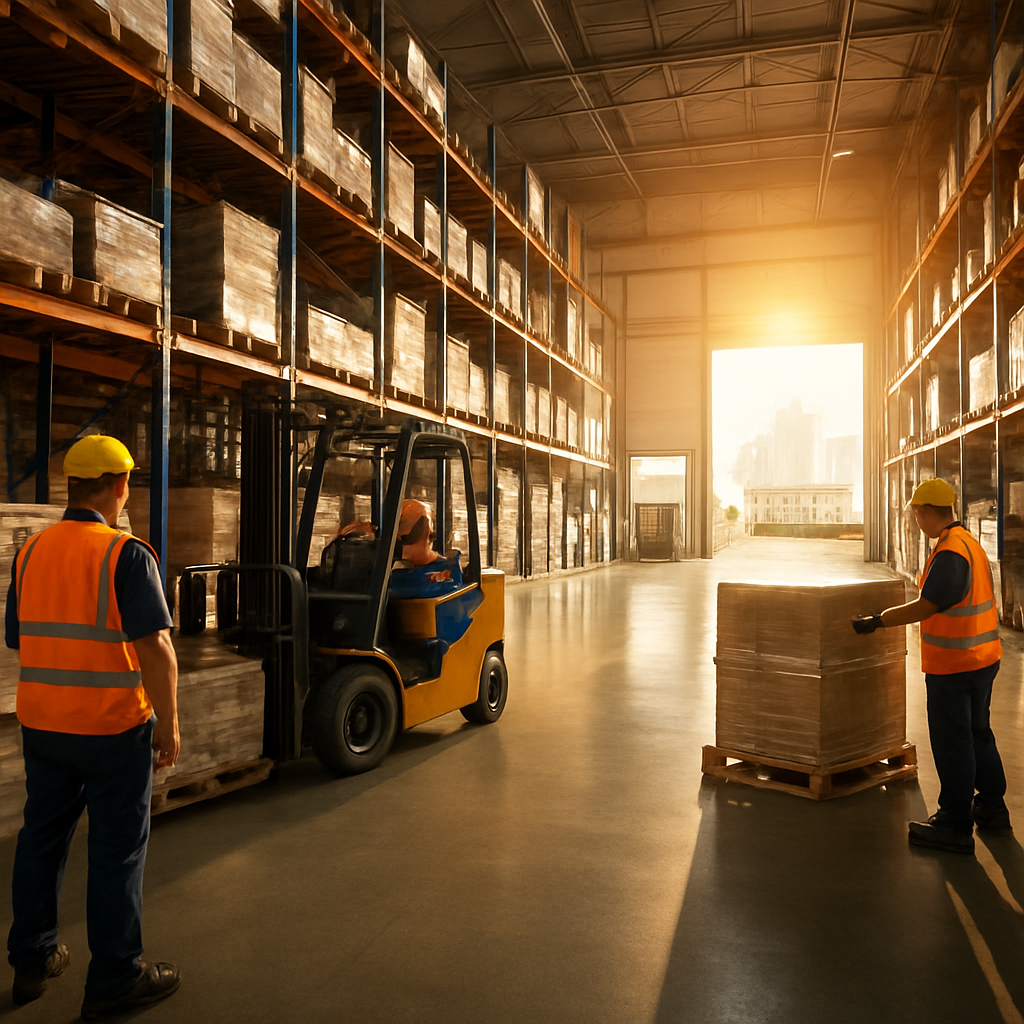
Container Unpacking and Devanning: Best Practices for Efficiency
Container unpacking and devanning are often treated as routine tasks, yet they are where delays, damage, and unnecessary costs frequently occur. Businesses importing into Australia need more than basic labour; they need container unpacking and devanning best practices embedded into every shift. Our approach focuses on precise planning, disciplined execution, and transparent reporting so each container supports rather than slows your broader supply chain efficiency.
Container Unpacking and Devanning: Best Practices for Efficiency
Unlike providers who treat each container the same, we tailor devanning methods to cargo profile, delivery priorities, and downstream distribution needs. This starts with a structured intake process that verifies documentation, seal integrity, and priority orders before doors are opened. By aligning container work with real-time order queues and transport slots, we convert static boxes into flowing freight, enhancing warehouse-based logistics efficiency while keeping demurrage and detention in check.
The heart of our model is integrated Warehousing configured specifically for high-volume import flows into Australian ports and industrial precincts. Dedicated staging zones, one-way traffic patterns, and clearly defined marshalling areas reduce congestion and forklift conflict points. This layout is supported by warehouse logistics management practices that link dock activity to racking, cross-docking, and outbound dispatch, enabling scalable distribution and storage without sacrificing safety or speed.
- Pre-booked time slots and transport coordination aligned with port schedules
- Standard operating procedures for different container and cargo types
- Digital checklists capturing seal checks, variances, and damages in real time
- Zoned unpacking areas for fragile, bulk, and palletised freight
- Continuous improvement reviews using dwell-time and damage statistics
Safety, Compliance, and Specialist Equipment
Where some operators rely on generic practices, we embed Work Health and Safety compliance into every devanning step. Regular training, documented risk assessments, and strict PPE enforcement reduce incident risk and disruption. Access to task-specific equipment, from clamp attachments for whitegoods to high-capacity forklifts and conveyors, means containers are unpacked with minimal manual handling and fewer product touches, supporting efficient warehouse logistics solutions that protect both people and inventory.
Technology, Visibility, and Inventory Accuracy
Our difference becomes clear once freight leaves the container. Integrated WMS and scanning deliver end-to-end supply chain visibility from the dock to storage locations and dispatch lanes. We configure inventory storage options by velocity, carton profile, and customer requirements, supported by flexible inventory storage plans that adapt to seasonal volume shifts. This combination of process discipline and data-led control underpins logistics management solutions that reduce mis-picks, write-offs, and reconciliation issues.
- Real-time reconciliation of packing lists against physical counts
- Exception reporting for shortages, overages, and damages
- Secure warehouse storage options for high-value or sensitive goods
- Data dashboards tracking container turnaround and labour productivity
- Alignment of devanning with optimizing supply chain performance targets
Environmental responsibility is built into our container unpacking and devanning best practices, from recycling packaging waste to prioritising electric materials-handling equipment. Guidance from the National Freight and Supply Chain Strategy (freightaustralia.gov.au) informs our sustainability roadmap, ensuring our operations remain efficient and future-ready. To understand how our warehouse-based approach to devanning can strengthen your supply chain, enhance end-to-end visibility, and support your growth, speak with our team today to compare options and request a tailored consultation.

Related posts
Silent Efficiency: The Role of Robotics in Noiseless Warehousing Operations
In the fast-paced world of warehousing, where efficiency is key, a new player ha
Warehouse Rents Surge on Bidding Wars for Scarce Space
In the U.S. warehouse rents surge as companies jockey for scarce distribution s
The Essential Role of Warehousing in Modern Logistics
Modern logistics relies on efficient Warehousing, yet many Australian businesses
