




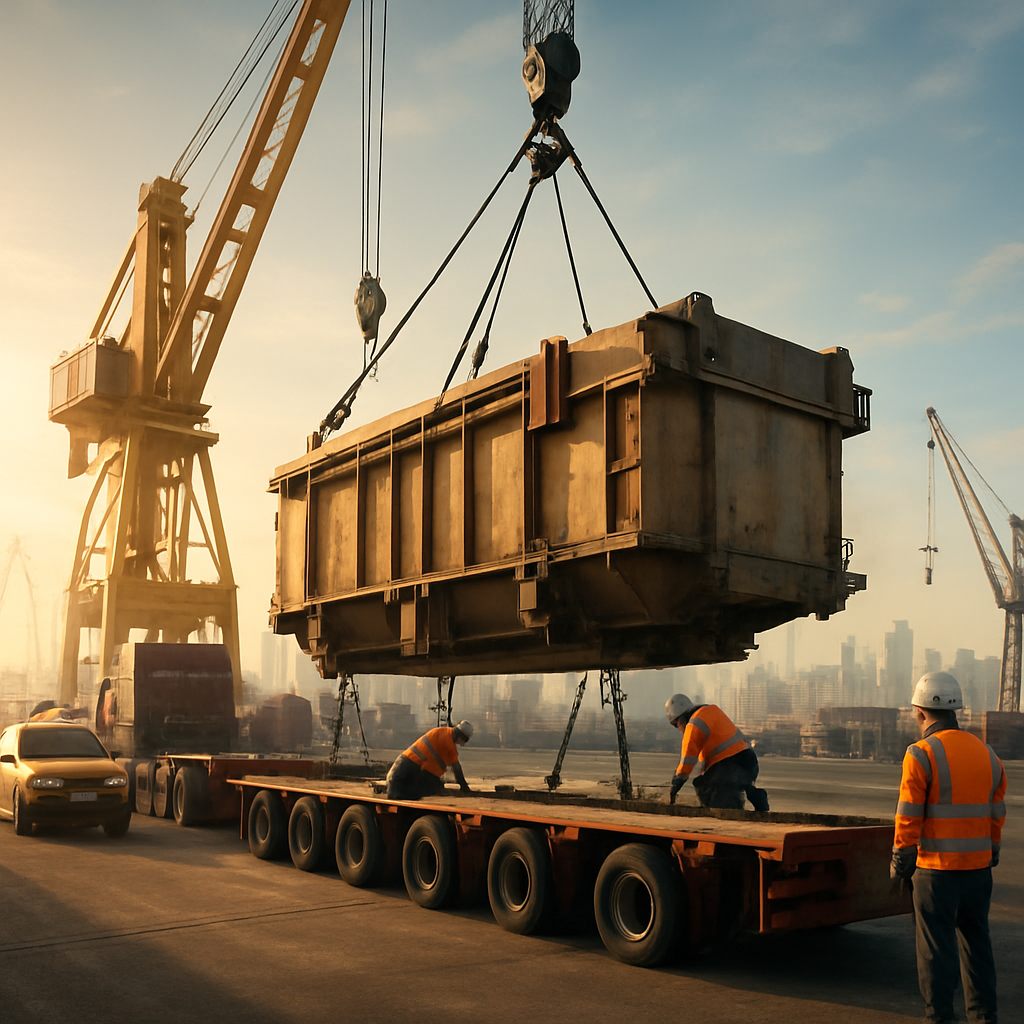
Heavy Machinery Logistics: Navigating Challenges in 2026
Heavy machinery logistics in Australia is becoming more complex as regulations evolve and project timelines tighten. Businesses moving cranes, plant and mining equipment across states need confidence that every move will be safe, compliant and predictable. Choosing the right heavy machinery logistics partner is ultimately about trust: trust that they understand the rules, plan thoroughly and communicate clearly before a single wheel turns.
Safe, compliant heavy machinery logistics is built on planning, transparency and a proven process – not last‑minute shortcuts.
Understanding Heavy Machinery Logistics in 2026
From oversize excavators to complex crane configurations, moving large assets requires more than basic transportation solutions. Specialist teams coordinate permits, route surveys, bridge and culvert assessments, escort vehicles and site inductions so your equipment arrives ready to work. With reforms to the Heavy Vehicle National Law and new Mass, Dimension and Loading requirements rolling out through 2025–2026, an experienced provider will explain how the rules affect your specific routes, dates and loads instead of leaving you to interpret technical notices alone.
Key Risks and How the Right Partner Reduces Them
The introduction of the Heavy Vehicle Structural Assessment Permit System in 2026 will change how indivisible loads are approved, increasing uncertainty for time‑sensitive projects. A trusted operator manages these risks by forecasting permit lead times, mapping alternative routes and staging equipment so critical paths are protected. Their approach should integrate Project Logistics with supply chain management, ensuring cranes, ancillary gear and support vehicles all arrive in sequence. Reliable providers also reference guidance from Safe Work Australia at Transport Safety to align their practices with national safety expectations.
What Trustworthy Heavy Machinery Logistics Looks Like
Trust is earned when your provider can clearly explain their step‑by‑step process from initial scoping to site handover. Early in planning, they should offer end-to-end transport planning that identifies constraints such as narrow bridges, low clearances or axle mass limits. During execution, you should see disciplined heavy haulage coordination, including pilot vehicles, communication protocols and real‑time updates. Look for audited safety systems, high‑risk work licences, chain‑of‑responsibility training and demonstrated experience in integrated logistics management for remote mine sites and renewable energy projects.
For complex moves, the most reliable partners treat your job as more than simple freight forwarding services. They blend industrial freight optimization with project cargo forwarding so each component travels under the most efficient permits and configurations. When acting as an outsourced logistics partner, they provide transparent cost breakdowns, realistic timelines and contingency options rather than optimistic promises. Coordinating multimodal freight solutions or specialised project carriers is discussed openly, so you understand why certain trailers, routes or staging yards have been selected and how each decision protects your people, assets and program.
If you are planning upcoming heavy machinery moves, now is the time to review routes, permits and schedules before the 2026 reforms fully take effect. Speak with our team to walk through your equipment list, risk profile and deadlines so we can shape a tailored plan that fits your project. We will outline responsibilities clearly, answer your questions in plain language and provide structured options that let you move forward with confidence in both compliance and delivery.

Related posts
Shipping Industry Entering Fragile Growth Phase, Says UNCTAD
Global shipping is entering a period of fragile growth, rising costs and mountin
NIKE deploy Electric Barge with CMA CGM in Vietnam
The CMA CGM Group, which is already pursuing its environmental initiatives with
Eastern Australia Connect: Resuming Standard Service Rotation (084)
With the end of the Protected Industrial Action in DPW in Australia, the consort
