





Boosting Productivity Through Supply Chain Optimisation Techniques
Supply Chain Optimisation for Confident Business Growth
Boosting productivity through Supply Chain Optimization is now essential for Australian businesses under pressure to deliver reliably, reduce costs, and protect margins. Many leaders worry about data complexity, fragmented systems, and the risk of disruption when changing existing processes. A structured, transparent approach turns this uncertainty into a clear roadmap, using evidence-based decisions rather than guesswork. When optimisation is done well, it aligns procurement, production, logistics, and customer service around shared performance targets and practical logistics efficiency strategies.
Trusted supply chain partners combine data, technology, and proven methods so leaders can improve performance with confidence, not trial and error.
How Supply Chain Optimization Works in Practice
A credible partner will begin with diagnostics: mapping your end-to-end flows, analysing costs, service levels, and bottlenecks, and reviewing current inventory management techniques. This typically includes data cleansing, demand analysis, and process mapping workshops with finance, operations, and sales. From there, they design integrated logistics and inventory control models, supported by technology-enabled logistics optimisation tools such as transport management systems, warehouse software, and real-time inventory visibility solutions. Clear KPIs, service-level targets, and governance routines ensure changes are measurable, auditable, and aligned with your commercial goals.
Standards, Processes, and Risk Reduction
To build trust, experienced providers follow recognised best practice frameworks and quality standards, often drawing on references such as the Supply Chain Operations Reference (SCOR) model and guidance from organisations like CSIRO’s logistics research programs at CSIRO Logistics Optimisation. They apply data-driven demand planning and demand forecasting methods to stabilise replenishment, reduce stock-outs, and avoid excess. Robust scenario modelling and cost-saving supply chain forecasting help you test “what-if” events before committing capital. Documented processes, clear SLAs, and regular performance reviews provide transparency, while change management and training support your team through logistics productivity improvements.
Addressing Common Concerns and Choosing a Partner
Common concerns include disruption during implementation, loss of control, and unclear ROI. A trustworthy specialist will outline timelines, risks, and dependencies upfront, and phase changes to minimise operational impact. They will explain which forecast-driven inventory strategies fit your products, offer advanced inventory optimisation tips where appropriate, and show case examples with quantified results. Look for consultants who are open about assumptions, provide technology-agnostic advice, and can demonstrate technology-enabled logistics optimisation across similar industries. Above all, they should translate technical detail into clear business impacts, empowering your decision-making rather than pushing a single solution.
If you are reviewing your options, our team can walk you through tailored process improvement opportunities, from integrated planning to warehouse and transport redesign. We will explain each step, share benchmarks, and agree realistic targets before any commitment, so you understand exactly how optimisation supports your customers and bottom line. To explore how Supply Chain Optimization could strengthen your operations, speak with our team or request a no-obligation consultation today.

Related posts
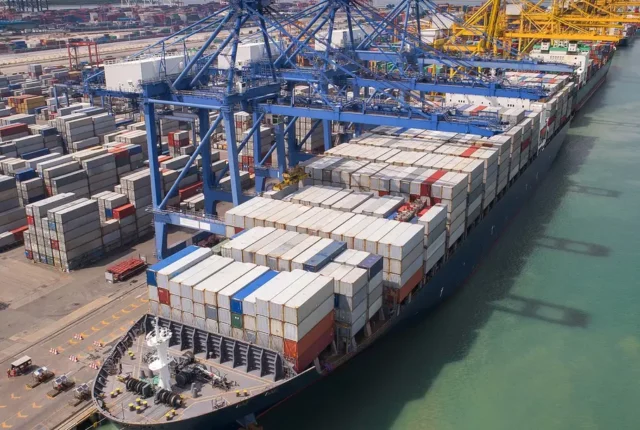
Disruptions Impact Shipping Outlook
Ship backups that plagued seaports during the Covid pandemic are making a comeba
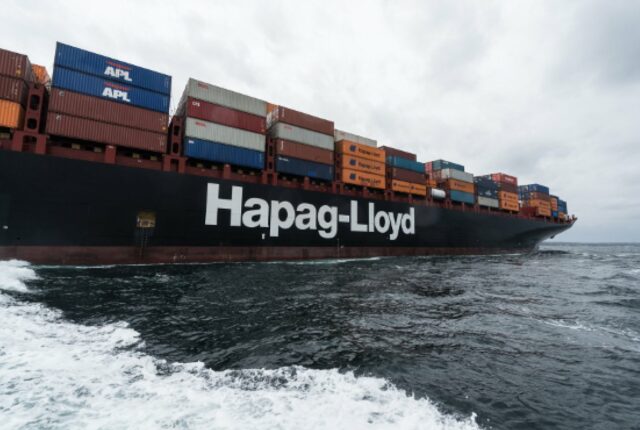
Hapag-Lloyd Sees Strong Q1, But 2025 Outlook Remains Uncertain
As it presented its first-quarter financial results today, Hapag-Lloyd cautioned
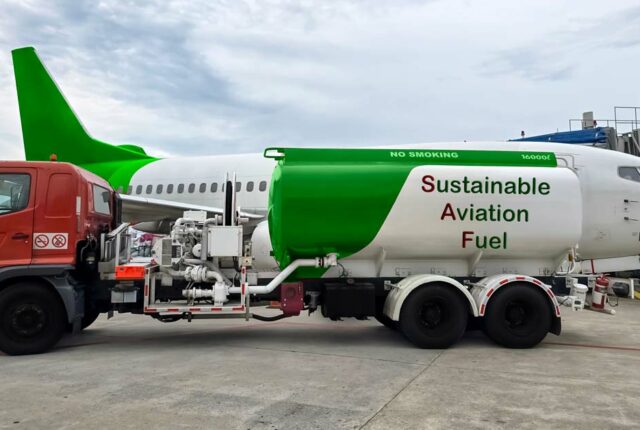
SAF Becomes Mandatory on Major Trade Lanes in 2026: How It’s Reshaping Air Freight Pricing
The air freight industry is entering a pivotal transition in 2026 as Sustainable
