





Outsourced Supply Chain Management: Why 4PL is the Key in 2026
Outsourced supply chain management is changing fast in Australia as businesses face ongoing disruption, labour shortages, and rising operating costs. Rather than juggling multiple transporters and warehouses, leaders are looking for a trusted partner who can simplify complexity while protecting service performance. In this context, outsourced supply chain management has become a strategic decision, not just a cost play, and the right partner can help you move from reactive firefighting to confident, data-led control.
Australian businesses don’t just want cheaper freight; they want predictable, transparent, and accountable logistics that stand up under pressure.
Outsourced Supply Chain Management: Why 4PL Matters in 2026
Modern outsourced supply chain management goes beyond single-function outsourcing to a truly integrated supply chain outsourcing model. A 4PL acts as your overarching logistics service provider, designing and governing the full operating model across multiple warehouses, carriers, and technology platforms. This gives you end-to-end supply chain control without needing to build the capability in-house, which is especially valuable for mid-market and enterprise businesses with stretched internal teams.
How a 4PL Control Tower Builds Trust and Visibility
A leading 4PL will integrate your ERP, WMS, and TMS into a unified control tower, delivering data-driven logistics management across every lane and mode. You gain a single, consistent view of orders, inventory, and exceptions, backed by clear SLAs and transparent performance reporting. When disruptions occur, your partner uses 4PL supply chain orchestration and multi-carrier freight optimization to re-plan quickly, explain options clearly, and agree next steps so you always understand what is happening and why.
What You Can Expect from a 4PL Partnership
A trustworthy outsourced logistics provider will start with a structured diagnostic of your current network, service levels, and costs, then model different scenarios to show tangible trade-offs and savings. From there, they select and manage the right 3PLs, implement managed logistics and distribution processes, and provide regular governance forums so you can question results and challenge assumptions. By positioning themselves as a strategic freight forwarding partner, they take accountability for outcomes while keeping you fully informed and in control.
Risk, sustainability, and compliance sit at the centre of a credible 4PL model, with robust processes for safety, chain-of-responsibility, and ESG reporting aligned to Australian standards. Many providers draw on global best practice from organisations such as the World Economic Forum, which highlights how resilient, responsible supply chains support long-term competitiveness: https://www.weforum.org/agenda/2022/01/why-supply-chains-are-key-to-sustainable-growth/. When Fourth-party logistics is managed this way, you can rely on consistent processes, proven freight forwarding solutions, and a partner who explains methodology upfront rather than hiding behind jargon. If you are ready to review your network and explore a more confident way to manage logistics, speak with our team to assess your options and map a clear 4PL roadmap for your Australian operations.

Related posts

Warehouse Rents Surge on Bidding Wars for Scarce Space
In the U.S. warehouse rents surge as companies jockey for scarce distribution s
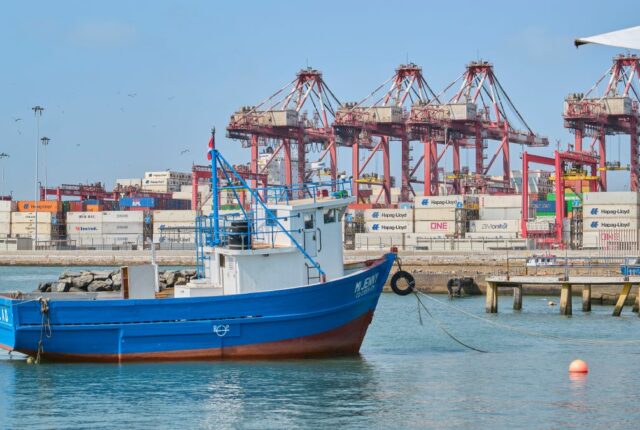
Cross-Border Compliance in 4PL: Navigating Customs, Carbon Rules, and Trade Shifts
Global trade has never been more interconnected—or more complex. With supply c
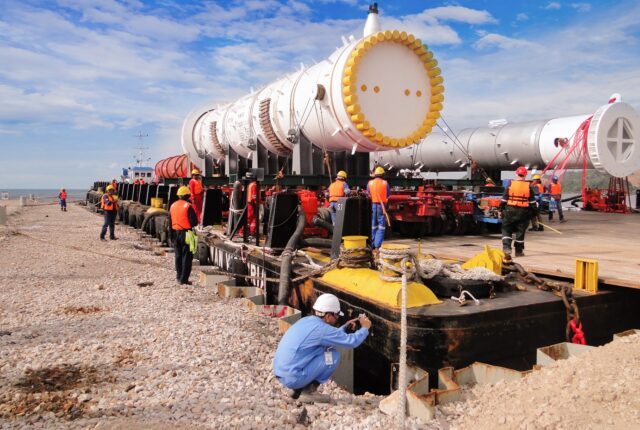
The Only Guide You Need for Building an Effective Project Logistics Strategy
Here is a step-by-step guide for creating a project logistics strategy for a bus
