




Ocean Freight in 2026: FCL, LCL, Rates, and Reliability Explained
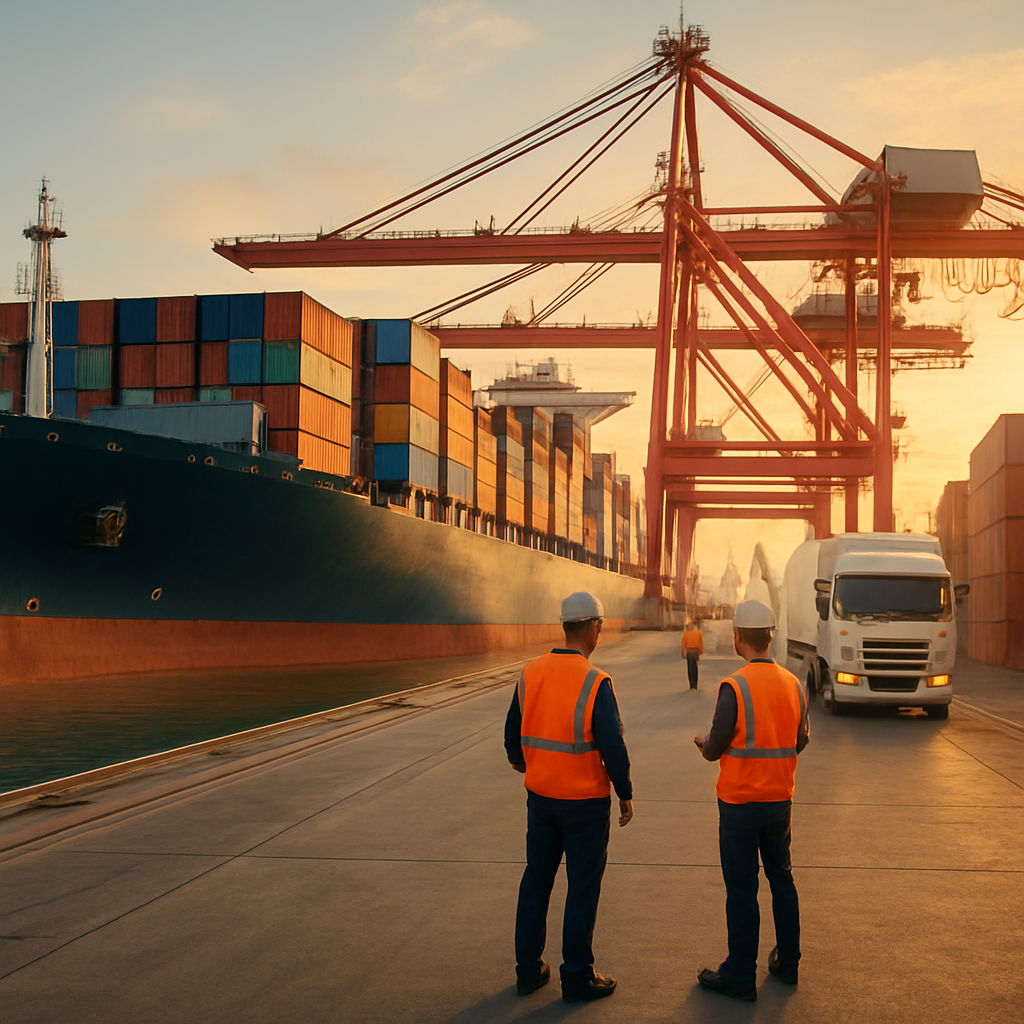
Ocean Freight in 2026: FCL, LCL, Rates, and Reliability Explained is no longer a background cost for Australian importers and exporters; it is a central operational risk. Spot rates into Australia have surged, while cancelled sailings and port disruption are undermining once-stable schedules. Many businesses are still planning as if pre-pandemic conditions apply, quietly absorbing higher costs, erratic transit times and mounting pressure from customers who expect certainty.
- Rising container rates on core trade lanes into Australia
- More blank sailings and vessel rollovers disrupting delivery promises
- Confusion over when to use FCL or LCL for different shipment sizes
- Budgeting and sales commitments based on outdated transit assumptions
- Hidden costs from storage, emergency airfreight and stock-outs
Understanding the 2026 Ocean Freight Landscape
Ocean freight in 2026 is shaped by capacity discipline, geopolitical risk and ongoing port congestion. For Australia, sharp month-on-month rate rises on Asia–Australia lanes are colliding with schedule reliability that often hovers around 60 per cent. Businesses that once treated freight as a predictable line item now face volatile quotes and shrinking space availability. Without a clear view of how these shifts affect lead times and landed costs, importers can underestimate both financial exposure and customer service impacts.
Sea Freight and the Hidden Cost of Unreliable Schedules
Sea Freight remains the backbone of Australian trade, but its unpredictability carries a growing price. Blank sailings, delayed transhipments and rolled containers frequently trigger storage penalties, detention, and last-minute airfreight to rescue urgent orders. Less visible is the way unreliable arrivals force companies to inflate safety stock or accept stock-outs altogether. As retailers and manufacturers juggle international shipping options, the true risk lies in assuming that occasional delays are unfortunate one-offs rather than a structural feature of today’s market.
FCL vs LCL: Planning Pitfalls for Australian Shippers
The choice between FCL and LCL is often framed purely as a rate question, yet that narrow lens can be costly. Full containers that routinely depart half empty raise per-unit costs and tie up cash in slow-moving inventory. On the other hand, frequent LCL consignments expose cargo to extra handling, potential congestion at deconsolidation depots and longer door-to-door transit. Misjudging this balance means businesses miss out on cost-effective ocean freight solutions and underestimate the operational impact of their ocean cargo services mix.
Why Treating 2026 as a Temporary Spike Is Risky
A common belief is that today’s elevated rates will simply “normalise” soon, echoing pre-2019 conditions. However, carriers are actively managing capacity, while war-risk premiums, higher fuel prices and industrial action continue to shape global ocean freight choices. Australian trade updates and analyses, such as those discussed in the ACCC’s container stevedoring monitoring reports, indicate that volatility is now embedded rather than exceptional. Businesses that cling to short-term thinking risk repeated budget overruns and fragile freight forwarding solutions that fail under pressure.
Warning signs of an exposed ocean strategy often appear across the business, not just in logistics reports. Regular shipment rollovers, emergency mode shifts, or weekly disputes over cut-off times are clear red flags. So too are shrinking order windows to chase the lowest spot rate, or sales teams quietly quoting shorter lead times to stay competitive. Companies relying heavily on business sea freight options without mapping real lead-time variability can see margins eroded by reactive decisions and unmanaged risk.
Reassessing your mix of services, from reliable container shipping services to more specialised international freight services, is ultimately about resilience, not switching suppliers for a marginally cheaper rate. Mapping true door-to-door performance, including end-to-end ocean cargo logistics and managed international cargo logistics, reveals where cash and customer goodwill are being lost. If your team is battling recurrent delays, cost spikes or confused expectations, now is the time to review your shipping patterns and consult an expert before the next disruption locks in higher costs for another year.

Related posts
CMA CGM Ship Loses 44 Containers in South African Storm
A CMA CGM containership lost 44 containers overboard amid heavy weather off the
Toxic Waste on Maersk and MSC Ships Bound for Thailand to Be Returned to Europe
Aug 18, 2024 (Bloomberg) –Shipping containers bound for Thailand allegedly fil
Chinese Port Container Volumes Rises up to 6.9% in H1
Cargo throughput and container volumes saw steady growth in H1 against a backdro
