





Why Supply Chain Optimisation is Crucial for Business Success
Australian companies are discovering that Supply Chain Optimization is now central to profitability and customer trust, not just an operational tidy-up. With disruptions costing billions in lost sales, boards are asking tougher questions about how goods are planned, sourced, stored and shipped. The focus is shifting from short-term cost-cutting to building smarter, data-led networks that can withstand shocks while still meeting rising delivery expectations.
Core approaches to supply chain optimisation
Most organisations begin by tightening internal processes, from order intake through to dispatch and returns. Clearer workflows, better hand-offs and practical Logistics efficiency strategies can cut delays and reduce manual errors. At the same time, firms are revisiting Inventory management techniques, deciding which items genuinely need high stock cover and which can move to leaner replenishment models. For many, a baseline process review becomes the foundation for more advanced technology upgrades.
Digital tools and data-led decision-making
The next wave of solutions is being driven by analytics and automation. Australian manufacturers and retailers are trialling Demand forecasting methods that draw on sales history, promotions, weather and macroeconomic indicators to predict demand more accurately. Cloud-based planning platforms support logistics process optimisation by bringing transport, warehousing and procurement data into one place. Some businesses are also exploring advanced demand planning tools to run what-if scenarios before committing to major production or purchasing decisions.
Balancing resilience, visibility and cost
Technology alone cannot solve structural weaknesses, so many firms are rethinking their physical networks and risk settings. Dual sourcing of critical components, selective near-shoring and lean inventory optimisation strategies are being weighed up against working capital and storage constraints. To support these choices, operators are aiming for end-to-end logistics visibility, stitching together telematics, warehouse systems and carrier updates. Public data from bodies such as Infrastructure Australia, alongside inventory accuracy best practices, is helping leadership teams understand pinch points and plan alternative routes when disruption hits.
- Use integrated logistics and inventory planning to align purchasing, production and fulfilment decisions.
- Adopt data-driven demand forecasting to reduce stockouts and surplus inventory across key lines.
- Invest in end-to-end tracking capabilities to enhance real-time inventory forecasting and freight visibility.
- Run scenario modelling on port closures, weather events and supplier failures before they occur.
- Stage technology investments, starting with transport and warehouse systems that address the biggest pain points.
Choosing the right mix of solutions depends heavily on sector, risk appetite and budget. A regional food processor will prioritise cold-chain continuity, while a national retailer might focus on click-and-collect performance and last-mile flexibility. Independent reference points, such as the freight performance reports published by Infrastructure Australia at https://www.infrastructureaustralia.gov.au, help validate where to act first. For many businesses, a structured review of Supply Chain Optimization options, followed by a pilot project in one product line or region, offers a low-risk way to test benefits. To move faster and avoid blind spots, leadership teams often turn to specialist advisors who can benchmark current performance, compare solution pathways and guide the next investment decision.

Related posts
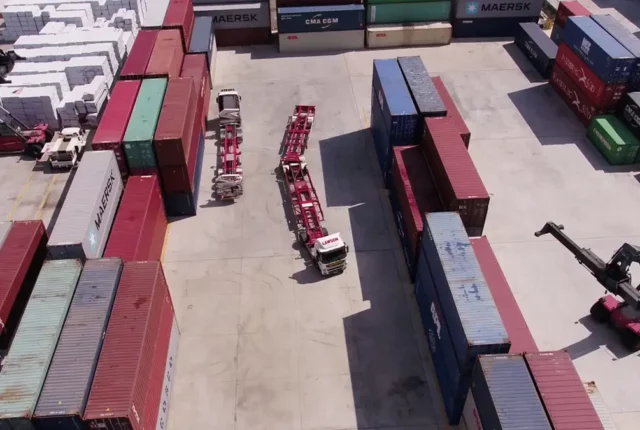
Port Automation Series: cost calculation for workforce, productivity and capacity
One of the more intriguing questions that the ILA-USMX standoff over automation
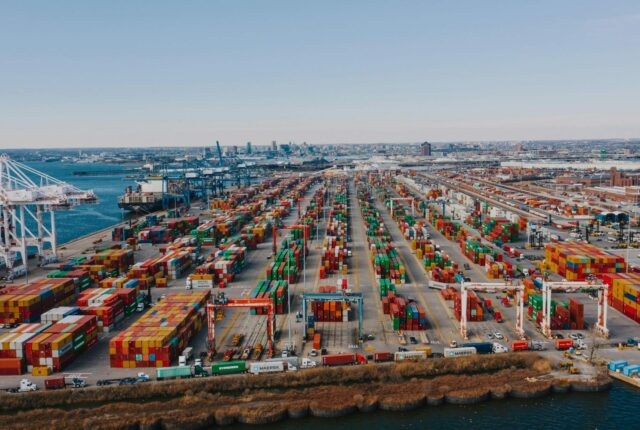
Freight Rates Explained: Data, Volatility, and Demand
Container freight rates are no longer governed purely by the traditional supply
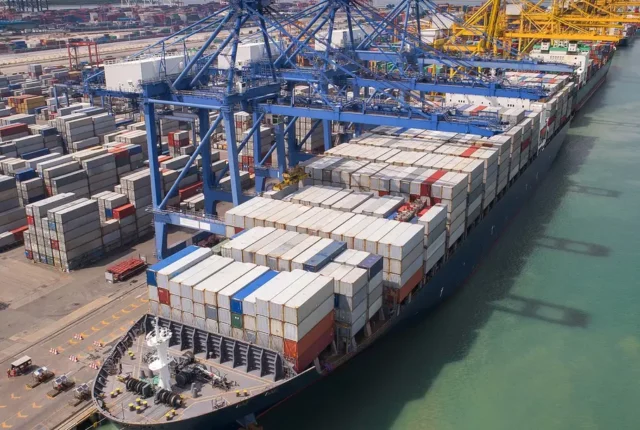
Disruptions Impact Shipping Outlook
Ship backups that plagued seaports during the Covid pandemic are making a comeba
