





Understanding Road Freight Basics: A Guide for New Businesses
7 Road Freight Basics Every New Australian Business Should Know
Launching a product-based business in Australia means getting to grips with road freight from day one. Choosing the right road freight transportation services can determine whether your goods arrive on time, in full and within budget. For start-ups and growing SMEs, misjudging freight can quickly erode margins, damage relationships with retailers and frustrate customers. Understanding the basics early helps you avoid unnecessary surcharges, compliance issues and operational bottlenecks as your volumes scale.
1. Understand Core Freight Types and Service Levels
Most new businesses start by choosing between full truckload and less than truckload consignments. Truckload shipping services are ideal when you can fill a vehicle to one destination, while shared-load options suit lighter or irregular volumes. Many carriers also offer express, same-day and refrigerated freight transportation services to cover urgent or temperature-sensitive goods. Mapping your typical order size, lead time and delivery promise will clarify which cargo delivery options genuinely fit your model.
2. Prioritise Compliance and Chain of Responsibility
Australia’s heavy vehicle laws place shared responsibility across the entire supply chain, not just the driver. Under Chain of Responsibility rules, businesses that pack, load, schedule or receive goods can be liable if unsafe practices contribute to a breach. Aligning with carriers that embed safety, fatigue management and load restraint into their operations protects your reputation. Reviewing how your team books, loads and documents goods is essential to building compliant domestic freight transport solutions.
3. Calculate Your True Cost to Deliver
Headline rates rarely tell the full story of freight spend. Tolls, fuel surcharges, insurance, waiting-time fees and return legs all influence your landed cost per unit. New operators often overlook packaging requirements or site delays, only to be stung by extra charges. Asking for itemised quotes and comparing less than truckload against flexible road freight options by lane and order size helps remove surprises. A clear view of total cost supports realistic pricing and sustainable growth.
4. Use Technology to Improve Visibility
Modern carriers rely on telematics, GPS tracking and transport management platforms to manage national networks. For shippers, that translates into real-time consignment tracking, electronic proof of delivery and performance data by route or customer. Even simple barcode labelling and online booking portals streamline dispatch and reduce manual errors. When assessing logistics and shipping solutions, prioritise partners who can share meaningful data to support forecasting and service improvement.
5. Protect Cargo with Packaging and Insurance
Inadequate packaging is a common cause of claims and disputes. Selecting sturdy pallets, shrink wrap, corner protectors and strapping that match your product’s fragility can prevent in-transit damage. Clearly marking handling instructions, addresses and contact details also reduces misrouted consignments. For higher-value loads, consider transit insurance beyond any basic carrier cover. Robust packing standards, supported by appropriate insurance, safeguard both your balance sheet and customer experience.
- Choose standard pallet sizes to maximise vehicle space and keep costs predictable.
- Photograph packed loads before dispatch to support any damage investigations.
- Train warehouse staff on correct load restraint and weight distribution.
- Review insurance limits regularly as your order values increase.
- Schedule periodic packaging audits to identify recurring damage hotspots.
Service reliability quickly becomes a differentiator as your customer base grows. Late or missed deliveries lead to stockouts, cancelled orders and reputational damage that far outweigh minor rate differences. When comparing road-based logistics solutions, look beyond price to on-time performance, communication standards and claims history. Providers willing to share KPIs and collaborate on improving business cargo delivery options are better placed to support long-term growth. For regulatory guidance, the National Heavy Vehicle Regulator offers current information on safety and compliance at https://www.nhvr.gov.au.
Ready to get your freight foundations right? Book a consultation or request a tailored quote from our logistics specialists today and build a scalable, compliant delivery network from day one.

Related posts
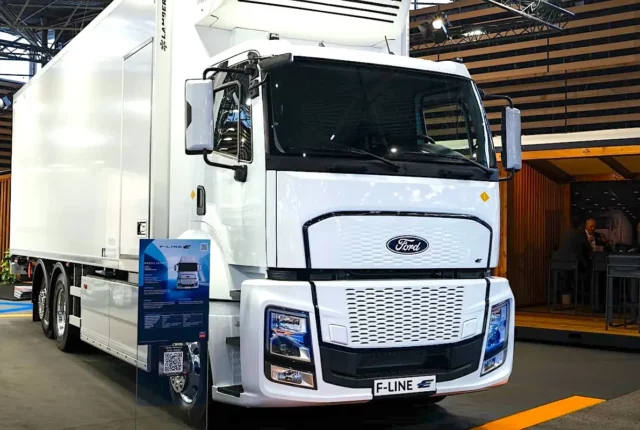
Electric Trucks Enter Mainstream Logistics in 2026: What Fleet Operators Need to Know
Electric trucks are no longer a distant experiment in road freight. In 2026, the
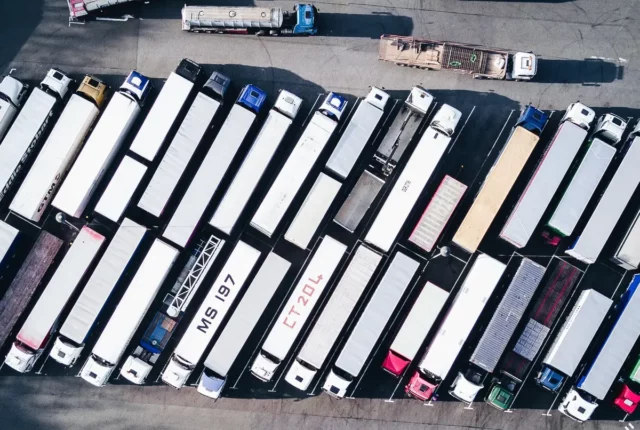
Driver Safety: Comprehensive Road Freight Security Measures
In today’s fast-paced world of logistics, driver safety goes beyond naviga

Hauling Profits: Strategies for Success in Road Freight Transport
In the fast-paced world of road freight transport, achieving hauling profits is
