




Less Than Truckload Shipping: When to Choose LTL Services
Less Than Truckload Shipping: When to Choose LTL Services
Understanding Less Than Truckload Shipping in Australia
Less Than Truckload shipping is ideal for Australian businesses moving one to six pallets without needing a full trailer. Instead of paying for unused space, your freight is consolidated with other shippers, reducing cost while preserving predictable transit times. This approach suits organisations with fluctuating order volumes, seasonal peaks, or growth-stage networks that are not yet ready for dedicated vehicles. When compared with other freight transportation services, LTL offers a practical balance between flexibility, control, and price.
What sets a strong LTL provider apart is how efficiently they plan and consolidate loads across capital cities and regional routes. A carrier with a dense national network can minimise detours and dwell time in depots, lowering the risk of delay. For many shippers, the commercial advantage is access to consistent capacity without committing to long-term fleet ownership. This gives procurement and supply chain teams more freedom to refine inventory strategies while keeping service promises to customers.
When LTL Services Make Commercial Sense
LTL services are most compelling when consignments are too heavy or bulky for parcels but too small or irregular for full truckload cargo delivery. Typical examples include store replenishment for national retailers, palletised e-commerce orders into distribution centres, and components moving between manufacturers and assemblers. In these scenarios, you pay only for the space and weight you use, while benefiting from structured timetables and national lanes. Compared with ad hoc business shipping services, LTL creates predictable cost profiles and easier budgeting.
Key Differences Between LTL and Other Freight Options
Compared with parcel networks, LTL is built for pallets, machinery, and consolidated cartons, offering more suitable cargo delivery options and higher weight thresholds. Against full loads, LTL replaces the all-or-nothing vehicle commitment with shared capacity, which is critical when volumes vary week to week. Because consolidation and cross-docking are involved, packaging quality, pallet configuration, and labelling become essential risk controls. Providers that guide you on these standards usually deliver lower damage rates and smoother commercial delivery logistics outcomes over time.
- Network density and depot locations across key domestic freight options
- Technology capability for tracking, notifications, and integration
- Service range, including tail-lift, residential access, and dangerous goods
- Operational discipline around handling, scanning, and cut-off times
- Transparency of pricing, surcharges, and claims performance
How a Specialist LTL Provider Adds Value
A specialist LTL carrier blends national linehaul strength with reliable local pickup and delivery, giving you end-to-end visibility across Road Freight movements. Advanced ltl logistics solutions include scan-based milestones, electronic proof of delivery, and automated alerts when consignments deviate from plan. Integration with your logistics and shipping solutions enables accurate cost allocation by cost centre or customer, improving financial control. Providers that understand road freight transportation regulations and peak-period constraints can proactively manage capacity and maintain on-time performance.
Choosing the Right LTL Partner for Competitive Advantage
When comparing LTL providers, focus on measurable indicators: on-time performance, damage frequency, exception resolution, and clarity of rate structures. Ask how they design routes, manage consolidations, and prioritise high-value freight within their road-based cargo transport network. Reviewing their approach alongside government guidance on freight and supply chains, such as the Australian Government’s freight strategy resources, helps you benchmark maturity and resilience. For broader industry context, the National Transport Commission offers independent insights into safety and compliance expectations at https://www.ntc.gov.au/.
- Clear communication and proactive updates on delays or disruptions
- Ability to scale volumes quickly during seasonal peaks
- Practical advice on packaging and labelling to reduce claims
- Data-driven insights to optimise lanes and mode selection
- Alignment with your future needs, such as cross-border shipping solutions
By understanding how Less Than Truckload shipping differs from parcels, full loads, and other cargo models, you can align your network design with real commercial needs. The right partner will offer flexible domestic freight options, strong technology, and disciplined operations without unnecessary complexity or hidden cost. If you are ready to evaluate your current mix of services and explore more efficient LTL and broader logistics and shipping solutions, speak with our team today to review your lanes, volumes, and service expectations in detail.

Related posts
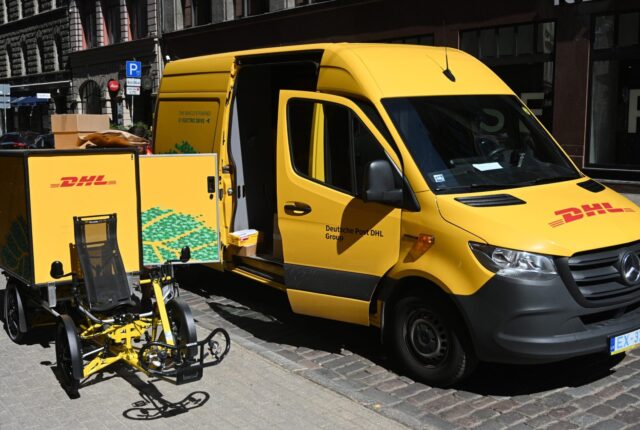
Last-Mile Delivery Costs Rise Again in 2026: Why Urban Freight Is Becoming More Complex
Last-mile costs are rising again in 2026, and the reason is bigger than fuel pri
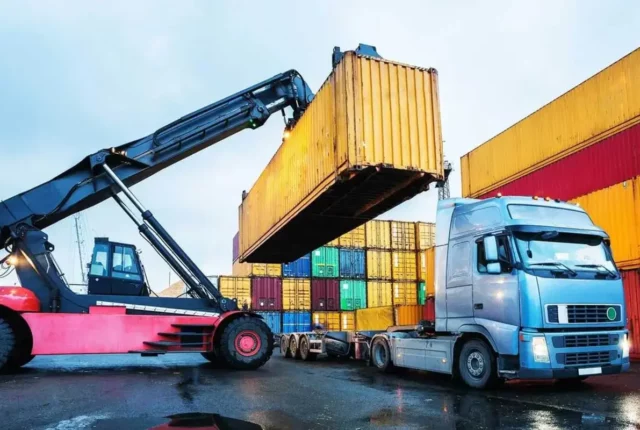
Highway to Growth: The Economic Impact of Road Freight
Road freight plays a crucial role in the economic development of countries aroun

Fueling Strategies for Sustainable Road Freight Operations
In the dynamic landscape of road freight operations, achieving sustainability an
